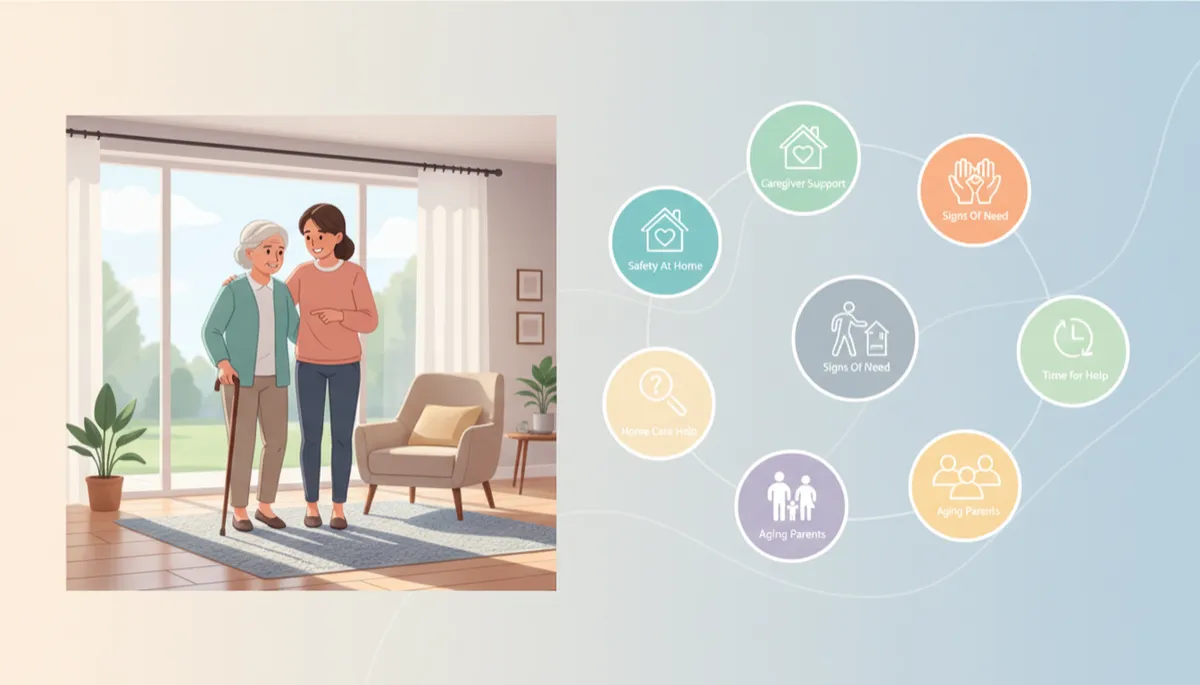
7 Signs Your Aging Parent Needs Home Help
Aging Parents, Home Care Help, Safety At Home
7 Signs Your Aging Parent May Need Help at Home
Watching your parents grow older can bring a mixture of emotions. You want them to maintain their independence, but you may also worry about their safety, health, and ability to manage everyday activities.
Recognizing the early signs your aging parent needs help at home can make it easier to arrange appropriate support before small challenges become serious concerns. For families exploring senior home care in New Jersey, understanding these changes is an important first step toward protecting a loved one's comfort, dignity, and independence.
Here are seven common signs that your aging parent may benefit from additional home care assistance.

1. Frequent Falls or Mobility Problems
Difficulty moving safely around the house is one of the clearest signs that an aging parent may need home care help.
Pay attention to unexplained bruises, unsteady walking, difficulty standing up, or reports of nearly falling. Your parent may begin holding onto furniture for balance or avoiding stairs because they feel unsafe.
These changes can increase the risk of falls and injuries, making safety at home an important concern.
A trained caregiver can assist with walking, transfers, and everyday mobility. Simple home modifications, including grab bars, better lighting, and removing tripping hazards, can also help create a safer living environment.
2. Changes in Personal Hygiene or Appearance
If your once well-groomed parent begins wearing the same clothes repeatedly, skipping baths, or neglecting personal hygiene, daily activities may have become more challenging.
Bathing, dressing, and grooming require physical strength, balance, and flexibility. Some aging parents may also fear falling in the bathroom but feel embarrassed to ask for assistance.
Professional home care services can provide respectful assistance with bathing, dressing, grooming, and other personal care needs.
This type of elderly assistance allows older adults to maintain their dignity and personal comfort while receiving the support they need.
3. Unpaid Bills, Mail Piling Up, or Money Confusion
Have you noticed unopened mail, overdue bills, or unusual purchases during visits with your parent?
Changes in financial habits may indicate difficulty managing everyday responsibilities. Aging parents who previously handled their finances independently may begin forgetting payment deadlines or struggling with familiar tasks.
Family members can provide support by helping organize financial paperwork and establishing manageable routines.
If your parent begins experiencing frequent or worsening confusion, consider speaking with their healthcare provider.
Recognizing these early signs of need can help families take action before financial difficulties become overwhelming.

Subtle changes in daily tasks often reveal growing needs for support.
4. Weight Loss, Empty Fridge, or Poor Nutrition
Preparing nutritious meals can become challenging for older adults experiencing reduced mobility, fatigue, or difficulty shopping for groceries.
Warning signs may include unexplained weight loss, spoiled food, an empty refrigerator, or relying primarily on snacks instead of regular meals.
Poor nutrition can affect energy levels and overall well-being.
Home care help for seniors can include grocery shopping, meal preparation, and assistance with daily mealtime routines.
Companionship during meals can also encourage regular eating habits and make mealtimes more enjoyable.
Families should consult a healthcare professional when unexplained weight loss or significant changes in appetite occur.
5. Medication Mix-Ups or Missed Doses
Many older adults manage several prescriptions, sometimes with different schedules and instructions.
Missing doses, forgetting refills, or becoming confused about medication routines can create serious safety concerns.
For families caring for aging parents, medication management concerns may be an important sign that additional assistance is needed.
Trained non-medical caregivers can provide medication reminders and communicate observed concerns to family members or appropriate healthcare professionals.
Questions about medication organization, dosage, and side effects should be directed to a pharmacist, nurse, or prescribing healthcare provider.
Having a consistent support routine can help older adults manage everyday responsibilities more confidently.
6. Increased Isolation, Loneliness, or Mood Changes
Aging can sometimes lead to social isolation, particularly when transportation, mobility, or changing relationships make it difficult to maintain regular activities.
If your parent stops visiting friends, loses interest in favorite hobbies, or becomes unusually withdrawn, lonely, or irritable, they may benefit from additional companionship.
Companion care for seniors provides meaningful social interaction, friendly conversation, and assistance with everyday activities.
Caregivers can also help older adults remain connected through hobbies, appointments, and community engagement.
These interactions support emotional well-being and can make daily life more enjoyable.
Persistent or concerning mood changes should also be discussed with a healthcare professional.
7. Household Neglect or Clutter That Is Out of Character
A home that was once clean and organized may gradually become difficult for an aging parent to maintain.
Piles of laundry, dirty dishes, overflowing trash, or cluttered walkways may indicate that household responsibilities have become physically or mentally overwhelming.
These conditions can also create safety hazards, especially when clutter increases the risk of falling.
Senior home care services often include light housekeeping, laundry assistance, and support with everyday household tasks.
Maintaining a clean and organized home can promote comfort, independence, and improved safety at home.
Helpful Tip: When visiting an aging parent, observe changes over time rather than drawing conclusions from one difficult day. Repeated changes in personal care, mobility, nutrition, or household routines may indicate that additional caregiver support is needed.
Moving From Worry to a Plan for Support
Recognizing these seven signs does not mean your parent must leave their home or give up their independence.
Instead, it may be time to explore home care options for aging parents that provide assistance while allowing them to remain in familiar surroundings.
Start with a respectful conversation. Share your concerns, listen to your parent's preferences, and involve them in decisions about their care.
Some families may benefit from a few scheduled hours of assistance each week, while others may need more comprehensive support.
The right approach depends on your loved one's individual needs, preferences, and daily routines.
How Green Park Home Care Can Help
At Green Park Home Care, we understand how important it is for families to find dependable, compassionate home care for their aging loved ones.
We provide personalized, non-medical home care services in New Jersey to help older adults maintain their independence, dignity, and comfort at home.
Our services include:
Companionship and caregiver support
Personal care assistance
Meal preparation and light housekeeping
Medication reminders
Mobility and transfer assistance
Alzheimer's and dementia care support
Post-hospital and rehabilitation recovery support
Respite care for family caregivers
Live-in and 24-hour home care options
Your loved one deserves compassionate care, and your family deserves peace of mind.
If you have noticed signs that your aging parent may need additional assistance, Green Park Home Care is here to help you explore appropriate care options.
Schedule a Free Home Care Consultation Today
Visit www.greenparkhomecare.com to learn more about our services.